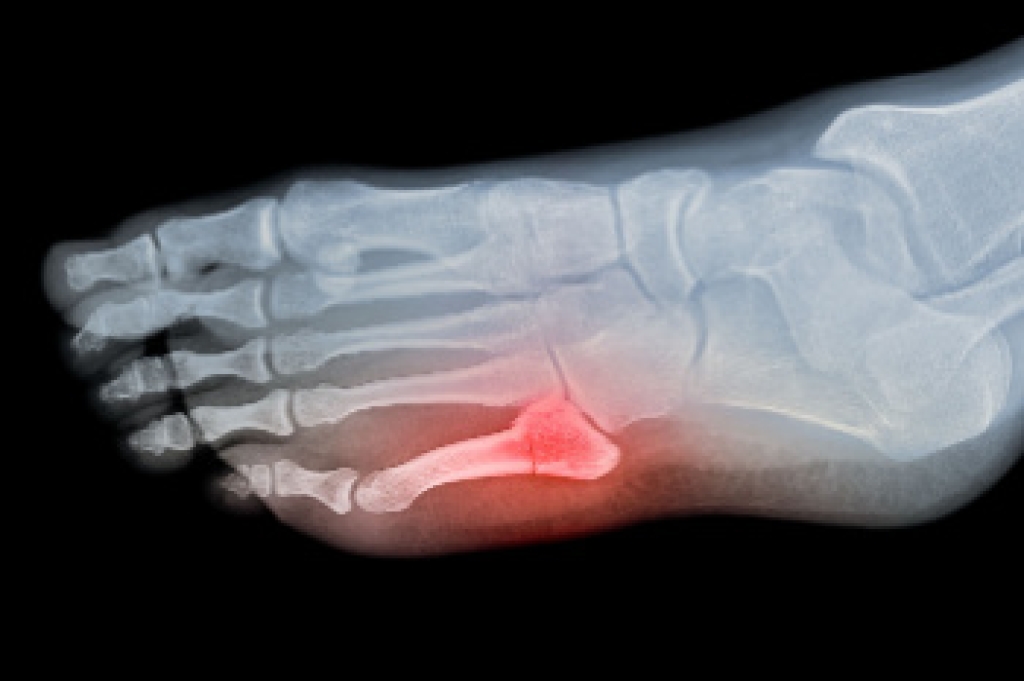
Heel Pain Can Be Treated!

Do you suffer from heel pain when you get up in the morning? If so, you should seek professional help and have a proper diagnosis performed. Heel pain can be caused by several different foot-related conditions.

Key Ideas in Modern Ankle Fracture Management

An ankle fracture is more than a broken bone. It affects how the ankle moves, bears weight, and stays stable. Treatment today focuses on restoring normal mechanics so the joint can function well long term. Fixing the back part of the ankle helps support the joint surface and improves overall stability. The syndesmosis, which connects the two lower leg bones, must be properly stabilized to keep the ankle aligned during walking. Repairing the deltoid ligament on the inner ankle may be needed when the joint remains unstable after bone repair. In some cases, the fibula on the outer ankle can be stabilized from the inside with a nail, which may reduce soft tissue disruption. Early, protected weightbearing is sometimes encouraged to promote healing and stiffness prevention. Because each fracture behaves differently, it is suggested that you see a podiatrist for individualized treatment planning.

Broken ankles need immediate treatment. If you are seeking treatment, contact Melissa C. Verde, DPM from Florida. Our doctor can provide the care you need to keep you pain-free and on your feet. 

Broken Ankles
A broken ankle is experienced when a person fractures their tibia or fibula in the lower leg and ankle area. Both of these bones are attached at the bottom of the leg and combine to form what we know to be our ankle.

When a physician is referring to a break of the ankle, he or she is usually referring to a break in the area where the tibia and fibula are joined to create our ankle joint. Ankles are more prone to fractures because the ankle is an area that suffers a lot of pressure and stress. There are some obvious signs when a person experiences a fractured ankle, and the following symptoms may be present.

Symptoms of a Fractured Ankle

  • Excessive pain when the area is touched or when any pressure is placed on the ankle
  • Swelling around the area
  • Bruising of the area
  • Area appears to be deformed

If you suspect an ankle fracture, it is recommended to seek treatment as soon as possible. The sooner you have your podiatrist diagnose the fracture, the quicker you’ll be on the way towards recovery.

If you have any questions, please feel free to contact our office located in Longwood, FL . We offer the newest diagnostic and treatment technologies for all your foot care needs.

Read more about All About Broken Ankles

Foot Function and Fall Risk in Older Adults

Healthy foot function plays an important role in stability and safe movement as people age. Changes in strength, joint motion, and sensation in the feet can interfere with balance and walking patterns. Foot pain may cause individuals to shorten steps, shift weight unevenly, or avoid placing full pressure on one side, which increases the chance of losing balance. Stiff toes, limited ankle movement, and reduced awareness of foot position further affect how the body responds to uneven surfaces or sudden changes in direction. These factors together can raise the risk of falls, which often lead to injury and loss of confidence. Addressing foot discomfort, wearing supportive footwear, and managing structural or nerve-related issues may help improve steadiness. If foot pain, instability, or frequent stumbles occur, it is suggested that you see a podiatrist for evaluation and appropriate care.

Preventing falls among the elderly is very important. If you are older and have fallen or fear that you are prone to falling, consult with Melissa C. Verde, DPM from Florida. Our doctor will assess your condition and provide you with quality advice and care.

Every 11 seconds, an elderly American is being treated in an emergency room for a fall related injury. Falls are the leading cause of head and hip injuries for those 65 and older. Due to decreases in strength, balance, senses, and lack of awareness, elderly persons are very susceptible to falling. Thankfully, there are a number of things older persons can do to prevent falls.

How to Prevent Falls

Some effective methods that older persons can do to prevent falls include:

  • Enrolling in strength and balance exercise program to increase balance and strength
  • Periodically having your sight and hearing checked
  • Discuss any medications you have with a doctor to see if it increases the risk of falling
  • Clearing the house of falling hazards and installing devices like grab bars and railings
  • Utilizing a walker or cane
  • Wearing shoes that provide good support and cushioning
  • Talking to family members about falling and increasing awareness

Falling can be a traumatic and embarrassing experience for elderly persons; this can make them less willing to leave the house, and less willing to talk to someone about their fears of falling. Doing such things, however, will increase the likelihood of tripping or losing one’s balance. Knowing the causes of falling and how to prevent them is the best way to mitigate the risk of serious injury.  

If you have any questions, please feel free to contact our office located in Longwood, FL . We offer the newest diagnostic and treatment technologies for all your foot care needs.

Read more about Falls Prevention

Sever’s Disease and Protecting Growing Feet

Sever’s disease is a heel condition in children and adolescents caused by inflammation of the growth plate in the heel. It often develops during growth spurts when bones grow faster than muscles and tendons, creating tension at the back of the heel. Risk factors include participation in running and jumping sports, tight calf muscles, improper footwear, and high activity levels. Flat feet or high arches may further increase strain on the heels. Symptoms typically include heel pain, tenderness, swelling, and discomfort during activity. A podiatrist can evaluate foot structure, recommend supportive footwear, provide custom orthotics, and guide stretching programs to relieve stress on the heel. If your active child has heel pain, it is suggested that you consult a podiatrist who can provide an accurate diagnosis and relief tips.

Sever's disease often occurs in children and teens. If your child is experiencing foot or ankle pain, see Melissa C. Verde, DPM from Florida. Our doctor can treat your child’s foot and ankle needs.

Sever’s Disease

Sever’s disease is also known as calcaneal apophysitis, which is a medical condition that causes heel pain I none or both feet. The disease is known to affect children between the ages of 8 and 14.

Sever’s disease occurs when part of the child’s heel known as the growth plate (calcaneal epiphysis) is attached to the Achilles tendon. This area can suffer injury when the muscles and tendons of the growing foot do not keep pace with bone growth. Therefore, the constant pain which one experiences at the back of the heel will make the child unable to put any weight on the heel. The child is then forced to walk on their toes.

Symptoms

Acute pain – Pain associated with Sever’s disease is usually felt in the heel when the child engages in physical activity such as walking, jumping and or running.

Highly active – Children who are very active are among the most susceptible in experiencing Sever’s disease, because of the stress and tension placed on their feet.

If you have any questions, please feel free to contact our office located in Longwood, FL . We offer the newest diagnostic and treatment technologies for all your foot care needs.

Read more about Sever's Disease

When Swelling in the Feet Tells a Bigger Story

Swelling of the feet occurs when excess fluid builds up in the tissues. It is often linked to underlying medical conditions, circulation problems, prolonged standing, or pregnancy. Symptoms include puffiness, tight skin, aching, and a heavy sensation that worsens as the day goes on. The feet may look enlarged or shiny, and pressing on the skin can leave a temporary indentation. This swelling can feel uncomfortable or painful and may limit movement or make shoes feel tight. A podiatrist can help by beginning with a thorough evaluation to determine the cause, including reviewing medical history and ordering imaging or other tests when needed. Treatment may focus on reducing fluid buildup through lifestyle guidance, compression support, and targeted exercises to improve circulation. Ongoing care helps protect skin health and prevent complications. If you have swelling of the feet, it is suggested that you make an appointment with a podiatrist.

Swollen feet can be a sign of an underlying condition. If you have any concerns, contact Melissa C. Verde, DPM of Florida. Our doctor can provide the care you need to keep you pain-free and on your feet.

Swollen feet are a common ailment among pregnant women and people who stand or sit for extended periods. Aging may increase the possibility of swollen feet and patients who are obese often notice when their feet are swelling too. There may be medical reasons why swollen feet occur:

  • Phlebitis - A condition that causes the veins to become inflamed and can also cause leg pain.
  • Liver disease - This may lead to low blood levels of albumin which is a protein. This can cause fluid in the blood to pass into the tissues and several areas of the body can become swollen.
  • Heart failure - When the heart doesn’t pump properly the blood that is normally pumped back to the heart can pool in the veins of the legs causing swollen feet.
  • Kidney disease - One of the main functions of the kidneys is releasing excess fluid in the body. This type of condition can make it difficult for the kidneys to function properly, and as a result the feet may become swollen.
  • Deep-vein thrombosis (DVT)- This is a serious condition where blood clots form in the veins of the legs. They can block the return of blood from the legs to the heart which may cause the feet to swell. It is important to be treated by a podiatrist if this condition is present.

Swollen feet can also be caused by bone and tendon conditions, including fractures, arthritis, and tendinitis. Additionally, there may be skin and toenail conditions and an infection may cause the feet to swell. Patients who take medicine to treat high blood pressure may be prone to getting swollen feet. 

Many patients elevate their feet to help relieve the swelling and this is generally a temporary remedy. When a podiatrist is consulted the reason behind the swelling can be uncovered and subsequently treated.

If you have any questions please contact our office located in Longwood, FL . We offer the newest diagnostic and treatment technologies for all your foot and ankle needs.

Read more about Swelling of the Feet

Connect With Us

scroll to top