
Do you suffer from heel pain when you get up in the morning? If so, you should seek professional help and have a proper diagnosis performed. Heel pain can be caused by several different foot-related conditions.
Do you suffer from heel pain when you get up in the morning? If so, you should seek professional help and have a proper diagnosis performed. Heel pain can be caused by several different foot-related conditions.

An ankle fracture is more than a broken bone. It affects how the ankle moves, bears weight, and stays stable. Treatment today focuses on restoring normal mechanics so the joint can function well long term. Fixing the back part of the ankle helps support the joint surface and improves overall stability. The syndesmosis, which connects the two lower leg bones, must be properly stabilized to keep the ankle aligned during walking. Repairing the deltoid ligament on the inner ankle may be needed when the joint remains unstable after bone repair. In some cases, the fibula on the outer ankle can be stabilized from the inside with a nail, which may reduce soft tissue disruption. Early, protected weightbearing is sometimes encouraged to promote healing and stiffness prevention. Because each fracture behaves differently, it is suggested that you see a podiatrist for individualized treatment planning.
Broken ankles need immediate treatment. If you are seeking treatment, contact Melissa C. Verde, DPM from Florida. Our doctor can provide the care you need to keep you pain-free and on your feet.
Broken Ankles
A broken ankle is experienced when a person fractures their tibia or fibula in the lower leg and ankle area. Both of these bones are attached at the bottom of the leg and combine to form what we know to be our ankle.
When a physician is referring to a break of the ankle, he or she is usually referring to a break in the area where the tibia and fibula are joined to create our ankle joint. Ankles are more prone to fractures because the ankle is an area that suffers a lot of pressure and stress. There are some obvious signs when a person experiences a fractured ankle, and the following symptoms may be present.
Symptoms of a Fractured Ankle
If you suspect an ankle fracture, it is recommended to seek treatment as soon as possible. The sooner you have your podiatrist diagnose the fracture, the quicker you’ll be on the way towards recovery.
If you have any questions, please feel free to contact our office located in Longwood, FL . We offer the newest diagnostic and treatment technologies for all your foot care needs.

Healthy foot function plays an important role in stability and safe movement as people age. Changes in strength, joint motion, and sensation in the feet can interfere with balance and walking patterns. Foot pain may cause individuals to shorten steps, shift weight unevenly, or avoid placing full pressure on one side, which increases the chance of losing balance. Stiff toes, limited ankle movement, and reduced awareness of foot position further affect how the body responds to uneven surfaces or sudden changes in direction. These factors together can raise the risk of falls, which often lead to injury and loss of confidence. Addressing foot discomfort, wearing supportive footwear, and managing structural or nerve-related issues may help improve steadiness. If foot pain, instability, or frequent stumbles occur, it is suggested that you see a podiatrist for evaluation and appropriate care.
Preventing falls among the elderly is very important. If you are older and have fallen or fear that you are prone to falling, consult with Melissa C. Verde, DPM from Florida. Our doctor will assess your condition and provide you with quality advice and care.
Every 11 seconds, an elderly American is being treated in an emergency room for a fall related injury. Falls are the leading cause of head and hip injuries for those 65 and older. Due to decreases in strength, balance, senses, and lack of awareness, elderly persons are very susceptible to falling. Thankfully, there are a number of things older persons can do to prevent falls.
How to Prevent Falls
Some effective methods that older persons can do to prevent falls include:
Falling can be a traumatic and embarrassing experience for elderly persons; this can make them less willing to leave the house, and less willing to talk to someone about their fears of falling. Doing such things, however, will increase the likelihood of tripping or losing one’s balance. Knowing the causes of falling and how to prevent them is the best way to mitigate the risk of serious injury.
If you have any questions, please feel free to contact our office located in Longwood, FL . We offer the newest diagnostic and treatment technologies for all your foot care needs.

Sever’s disease is a heel condition in children and adolescents caused by inflammation of the growth plate in the heel. It often develops during growth spurts when bones grow faster than muscles and tendons, creating tension at the back of the heel. Risk factors include participation in running and jumping sports, tight calf muscles, improper footwear, and high activity levels. Flat feet or high arches may further increase strain on the heels. Symptoms typically include heel pain, tenderness, swelling, and discomfort during activity. A podiatrist can evaluate foot structure, recommend supportive footwear, provide custom orthotics, and guide stretching programs to relieve stress on the heel. If your active child has heel pain, it is suggested that you consult a podiatrist who can provide an accurate diagnosis and relief tips.
Sever's disease often occurs in children and teens. If your child is experiencing foot or ankle pain, see Melissa C. Verde, DPM from Florida. Our doctor can treat your child’s foot and ankle needs.
Sever’s Disease
Sever’s disease is also known as calcaneal apophysitis, which is a medical condition that causes heel pain I none or both feet. The disease is known to affect children between the ages of 8 and 14.
Sever’s disease occurs when part of the child’s heel known as the growth plate (calcaneal epiphysis) is attached to the Achilles tendon. This area can suffer injury when the muscles and tendons of the growing foot do not keep pace with bone growth. Therefore, the constant pain which one experiences at the back of the heel will make the child unable to put any weight on the heel. The child is then forced to walk on their toes.
Symptoms
Acute pain – Pain associated with Sever’s disease is usually felt in the heel when the child engages in physical activity such as walking, jumping and or running.
Highly active – Children who are very active are among the most susceptible in experiencing Sever’s disease, because of the stress and tension placed on their feet.
If you have any questions, please feel free to contact our office located in Longwood, FL . We offer the newest diagnostic and treatment technologies for all your foot care needs.
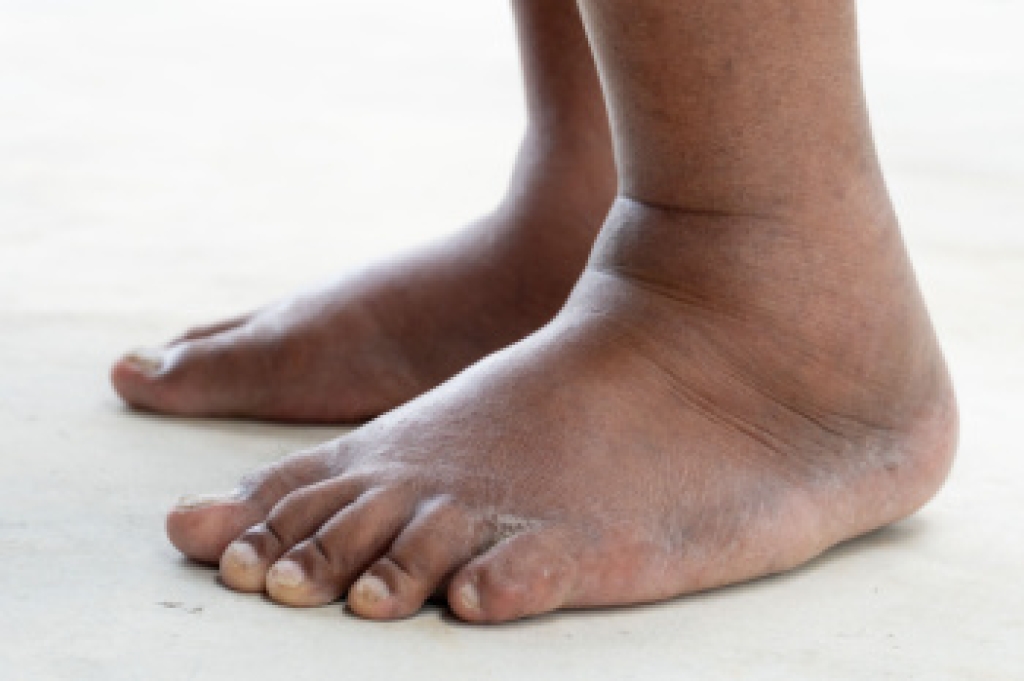
Swelling of the feet occurs when excess fluid builds up in the tissues. It is often linked to underlying medical conditions, circulation problems, prolonged standing, or pregnancy. Symptoms include puffiness, tight skin, aching, and a heavy sensation that worsens as the day goes on. The feet may look enlarged or shiny, and pressing on the skin can leave a temporary indentation. This swelling can feel uncomfortable or painful and may limit movement or make shoes feel tight. A podiatrist can help by beginning with a thorough evaluation to determine the cause, including reviewing medical history and ordering imaging or other tests when needed. Treatment may focus on reducing fluid buildup through lifestyle guidance, compression support, and targeted exercises to improve circulation. Ongoing care helps protect skin health and prevent complications. If you have swelling of the feet, it is suggested that you make an appointment with a podiatrist.
Swollen feet can be a sign of an underlying condition. If you have any concerns, contact Melissa C. Verde, DPM of Florida. Our doctor can provide the care you need to keep you pain-free and on your feet.
Swollen feet are a common ailment among pregnant women and people who stand or sit for extended periods. Aging may increase the possibility of swollen feet and patients who are obese often notice when their feet are swelling too. There may be medical reasons why swollen feet occur:
Swollen feet can also be caused by bone and tendon conditions, including fractures, arthritis, and tendinitis. Additionally, there may be skin and toenail conditions and an infection may cause the feet to swell. Patients who take medicine to treat high blood pressure may be prone to getting swollen feet.
Many patients elevate their feet to help relieve the swelling and this is generally a temporary remedy. When a podiatrist is consulted the reason behind the swelling can be uncovered and subsequently treated.
If you have any questions please contact our office located in Longwood, FL . We offer the newest diagnostic and treatment technologies for all your foot and ankle needs.
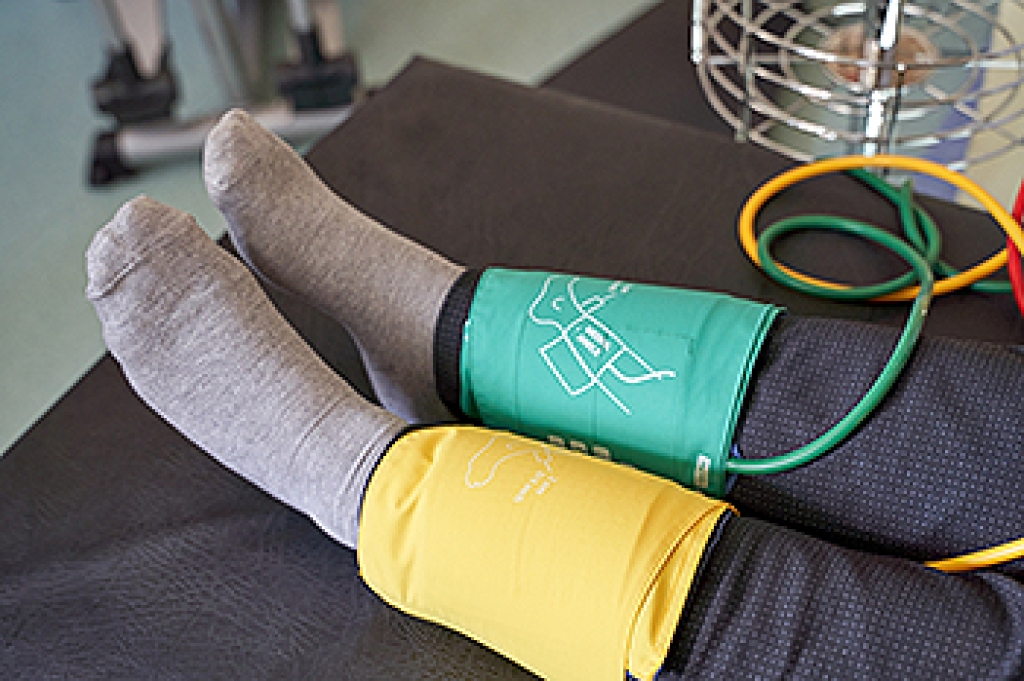
Intermittent claudication is a common symptom of peripheral artery disease, or PAD, and reflects reduced blood flow to the legs during activity. Intermittent claudication is a tight, aching, or squeezing pain in the calf, foot, thigh, or buttock. It typically begins after a certain amount of walking or climbing but eases with rest. As circulation becomes more limited, pain may start sooner, walking distance shortens, and legs can feel weak or cramp. Advanced PAD can cause pain at rest, cold or numb toes, slow healing sores, skin color changes, or shiny skin, which signals higher risk to the feet. Because several conditions can mimic intermittent claudication, a podiatrist plays an important role in evaluation, vascular screening, foot exams, and coordination of appropriate care. For help dealing with symptoms of peripheral artery disease, it is suggested that you make an appointment with a podiatrist for an exam, diagnosis, and treatment.
Peripheral artery disease can pose a serious risk to your health. It can increase the risk of stroke and heart attack. If you have symptoms of peripheral artery disease, consult with Melissa C. Verde, DPM from Florida. Our doctor will assess your condition and provide you with quality foot and ankle treatment.
Peripheral artery disease (PAD) is when arteries are constricted due to plaque (fatty deposits) build-up. This results in less blood flow to the legs and other extremities. The main cause of PAD is atherosclerosis, in which plaque builds up in the arteries.
Symptoms
Symptoms of PAD include:
It is important to note that a majority of individuals never show any symptoms of PAD.
Diagnosis
While PAD occurs in the legs and arteries, Podiatrists can diagnose PAD. Podiatrists utilize a test called an ankle-brachial index (ABI). An ABI test compares blood pressure in your arm to you ankle to see if any abnormality occurs. Ultrasound and imaging devices may also be used.
Treatment
Fortunately, lifestyle changes such as maintaining a healthy diet, exercising, managing cholesterol and blood sugar levels, and quitting smoking, can all treat PAD. Medications that prevent clots from occurring can be prescribed. Finally, in some cases, surgery may be recommended.
If you have any questions, please feel free to contact our office located in Longwood, FL . We offer the newest diagnostic and treatment technologies for all your foot care needs.

Your feet are covered most of the day. If you're diabetic, periodic screening is important for good health. Numbness is often a sign of diabetic foot and can mask a sore or wound.
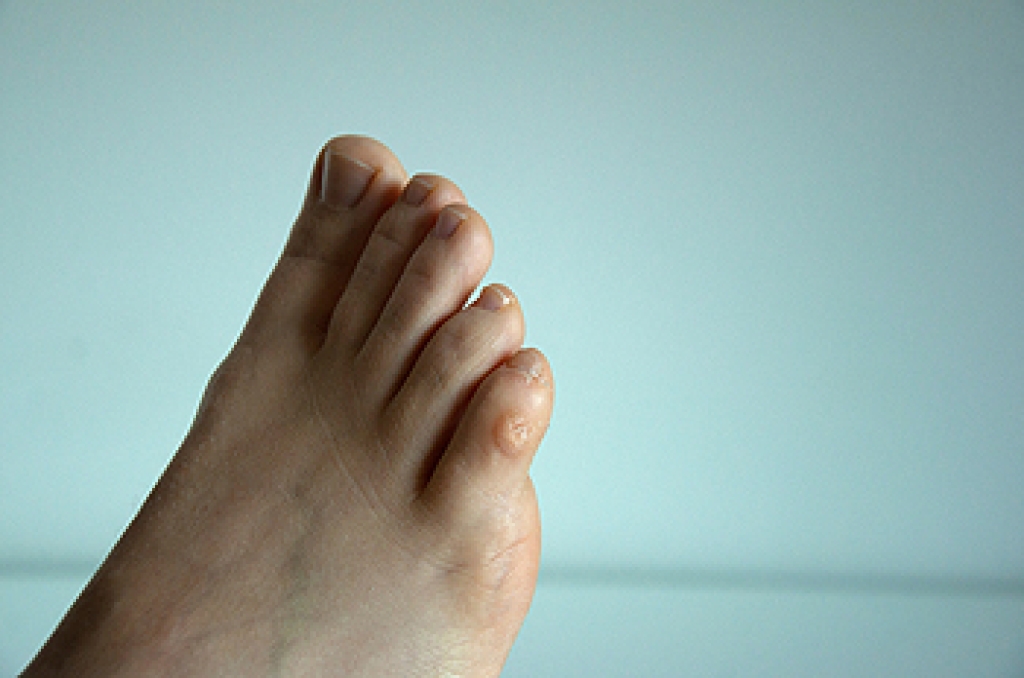
Corns are thickened areas of skin that develop when repeated pressure or friction causes the body to protect itself. They often form on toes or areas that rub against footwear or other toes, and they may feel painful when walking. Hard corns usually appear on the tops or sides of toes, while soft corns tend to develop between toes where moisture is present. Although corns may seem minor, they can worsen over time and interfere with gait. A podiatrist can identify the underlying cause, such as foot structure, abnormal pressure points, or improper footwear, and determine the exact type of corn present. Treatment of corns includes safe removal of thickened skin, pressure redistribution, and recommendations to reduce recurring friction. Addressing corns early can reduce ongoing discomfort. For help with safely managing a painful corn, it is suggested that you make an appointment with a podiatrist.
If you have any concerns regarding your feet and ankles, contact Melissa C. Verde, DPM of Florida. Our doctor will treat your foot and ankle needs.
Corns: What Are They? and How Do You Get Rid of Them?
Corns can be described as areas of the skin that have thickened to the point of becoming painful or irritating. They are often layers and layers of the skin that have become dry and rough, and are normally smaller than calluses.
Ways to Prevent Corns
There are many ways to get rid of painful corns such as wearing:
Treating Corns
Treatment of corns involves removing the dead skin that has built up in the specific area of the foot. Consult with Our doctor to determine the best treatment option for your case of corns.
If you have any questions, please feel free to contact our office located in Longwood, FL . We offer the newest diagnostic and treatment technologies for all your foot care needs.

Ankle fusion surgery, also called ankle arthrodesis, is a procedure used to relieve severe ankle pain by permanently joining the bones of the ankle joint. One advantage of ankle fusion is reliable pain reduction, especially for people with advanced arthritis, joint damage, or deformity that limits walking. By eliminating joint motion, the ankle can become more stable and better aligned, which may improve daily function. Fusion is also durable and may last longer than other surgical options in certain cases. However, there are drawbacks to consider. Loss of ankle movement can change walking mechanics and place added stress on nearby joints in the foot, which may lead to discomfort over time. Recovery can be lengthy and often requires a period of limited weight-bearing. A podiatrist carefully evaluates whether the benefits outweigh the risks based on symptoms, activity level, and overall foot structure. If you have ankle problems, it is suggested that you make an appointment with a podiatrist for a full exam and treatment options.
Foot surgery is sometimes necessary to treat a foot ailment. To learn more, contact Melissa C. Verde, DPM of Florida. Our doctor will assist you with all of your foot and ankle needs.
When Is Surgery Necessary?
Foot and ankle surgery is generally reserved for cases in which less invasive, conservative procedures have failed to alleviate the problem. Some of the cases in which surgery may be necessary include:
What Types of Surgery Are There?
The type of surgery you receive will depend on the nature of the problem you have. Some of the possible surgeries include:
Benefits of Surgery
Although surgery is usually a last resort, it can provide more complete pain relief compared to non-surgical methods and may allow you to finally resume full activity.
Surgical techniques have also become increasingly sophisticated. Techniques like endoscopic surgery allow for smaller incisions and faster recovery times.
If you have any questions, please feel free to contact our office located in Longwood, FL . We offer the newest diagnostic and treatment technologies for all your foot care needs.
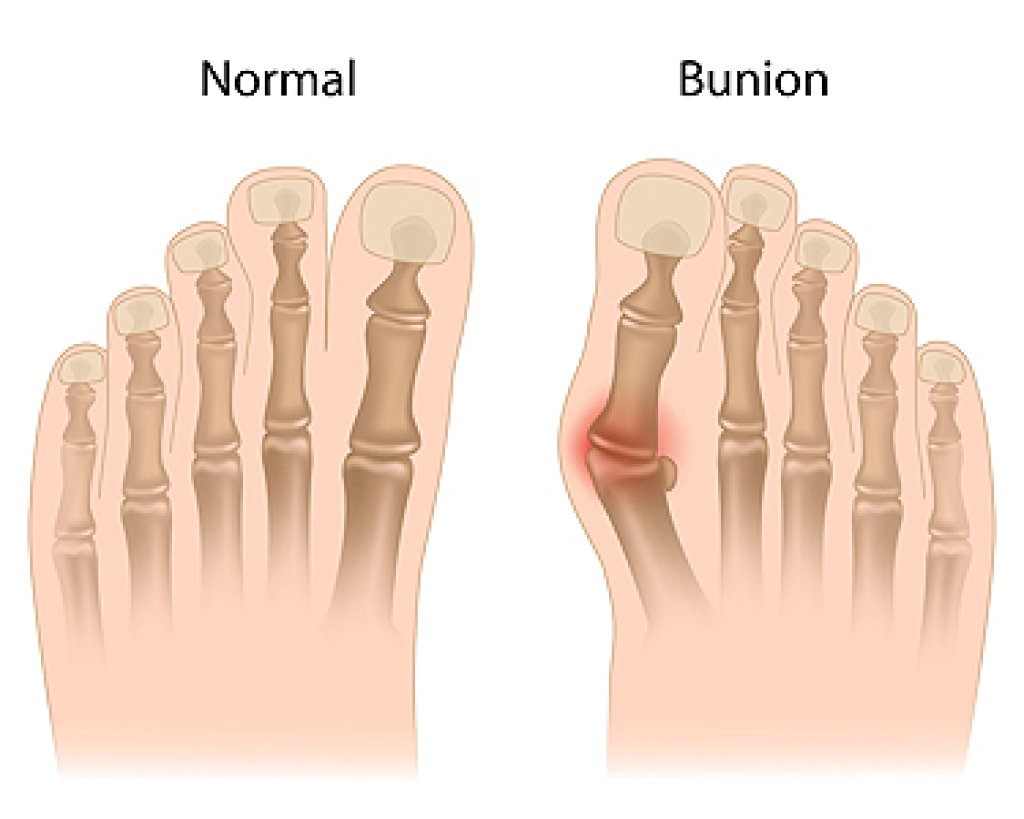
A bunion is a bony area that develops at the base of the big toe when the joint becomes misaligned. This condition causes the big toe to shift toward the smaller toes, leading to visible deformity and discomfort. Risk factors include genetics, wearing improper footwear, foot structure, and repetitive stress on the forefoot. Common symptoms include pain and soreness around the joint, numbness or burning sensations, redness, and swelling. Many people notice a painful bump at the base of the affected toe that worsens with walking or wearing tight shoes. A podiatrist can help by evaluating foot alignment and determining the severity of the bunion. Treatment options may include footwear recommendations, padding, orthotics, and pain management strategies. If bunion pain or irritation is affecting your mobility or quality of life, it is suggested that you consult a podiatrist who can offer effective relief and treatment solutions.
If you are suffering from bunion pain, contact Melissa C. Verde, DPM of Florida. Our doctor can provide the care you need to keep you pain-free and on your feet.
What Is a Bunion?
Bunions are painful bony bumps that usually develop on the inside of the foot at the joint of the big toe. As the deformity increases over time, it may become painful to walk and wear shoes. Women are more likely to exacerbate existing bunions since they often wear tight, narrow shoes that shift their toes together. Bunion pain can be relieved by wearing wider shoes with enough room for the toes.
Causes
Symptoms
In order to diagnose your bunion, your podiatrist may ask about your medical history, symptoms, and general health. Your doctor might also order an x-ray to take a closer look at your feet. Nonsurgical treatment options include orthotics, padding, icing, changes in footwear, and medication. If nonsurgical treatments don’t alleviate your bunion pain, surgery may be necessary.
If you have any questions, please feel free to contact our office located in Longwood, FL . We offer the newest diagnostic and treatment technologies for all your foot care needs.
Connect With Us

 Dr. Melissa
 Dr. Raluca