
Finding the Perfect Running Form for Marathon Success

Achieving the perfect running form for marathon running starts with proper foot support and efficient movement. Choosing the best running shoes depends on terrain and the shape of your arches. Pronated feet roll inward, neutral feet maintain balanced alignment, and supinated feet roll outward, each requiring different support. A smooth foot strike, where the foot lands gently and evenly, helps reduce stress and improve endurance. Additionally, good posture and steady rhythm also play a role in preventing injury over long distances. Risk of discomfort can increase with poor footwear or improper mechanics. A podiatrist can assess your gait, recommend the right shoes, and prescribe custom orthotics to address gait issues. If you have developed foot pain from running, it is suggested that you consult a podiatrist who can provide a diagnosis and appropriate treatment.

For more information about walking shoes versus running shoes, consult with Melissa C. Verde, DPM from Florida. Our doctor can measure your feet to determine what your needs are and help you find an appropriate pair of footwear.

Foot Health: The Differences between Walking & Running Shoes

There are great ways to stay in shape: running and walking are two great exercises to a healthy lifestyle. It is important to know that running shoes and walking shoes are not interchangeable. There is a key difference on how the feet hit the ground when someone is running or walking. This is why one should be aware that a shoe is designed differently for each activity.

You may be asking yourself what the real differences are between walking and running shoes and the answers may shock you.

Differences

Walking doesn’t involve as much stress or impact on the feet as running does. However, this doesn’t mean that you should be any less prepared. When you’re walking, you land on your heels and have your foot roll forward. This rolling motion requires additional support to the feet.

Flexibility – Walking shoes are designed to have soft, flexible soles. This allows the walker to push off easily with each step.

If you have any questions, please feel free to contact our office located in Longwood, FL . We offer the newest diagnostic and treatment technologies for all your foot care needs.


Read more about Choosing the Right Running Shoe

Dealing With Ingrown Toenails

An ingrown toenail develops when the edge of a toenail grows into the surrounding skin instead of over it. This condition most often affects the big toe, and can cause redness, swelling, tenderness, and pain along the nail border. The area may feel sore while  walking, wearing shoes, or applying pressure to the toe. In some cases, the skin may become infected, leading to drainage, warmth, or increased swelling. Common causes include trimming the nails too short, wearing tight footwear, injury to the toe, or naturally curved nails. Repeated pressure from sports or daily activities may also contribute to the problem. A podiatrist can examine the toe, determine the severity of the condition, and recommend appropriate treatment. Care may include trimming or removing the ingrown portion of the nail, treating infection, recommending proper footwear, or performing a minor procedure to help prevent recurrence. If you have an ingrown toenail, it is suggested that you schedule an appointment with a podiatrist for appropriate treatment.

Ingrown toenails may initially present themselves as a minor discomfort, but they may progress into an infection in the skin without proper treatment. For more information about ingrown toenails, contact Melissa C. Verde, DPM of Florida. Our doctor can provide the care you need to keep you pain-free and on your feet.

Ingrown Toenails

Ingrown toenails are caused when the corner or side of a toenail grows into the soft flesh surrounding it. They often result in redness, swelling, pain, and in some cases, infection. This condition typically affects the big toe and may recur if it is not treated properly.

Causes

  • Improper toenail trimming
  • Genetics
  • Improper shoe fitting
  • Injury from pedicures or nail picking
  • Abnormal gait
  • Poor hygiene

You are more likely to develop an ingrown toenail if you are obese, have diabetes, arthritis, or have any fungal infection in your nails. Additionally, people who have foot or toe deformities are at a higher risk of developing an ingrown toenail.

Symptoms

Some symptoms of ingrown toenails are redness, swelling, and pain. In rare cases, there may be a yellowish drainage coming from the nail.

Treatment

Ignoring an ingrown toenail can have serious complications. Infections of the nail border can progress to a deeper soft-tissue infection, which can then turn into a bone infection. You should always speak with your podiatrist if you suspect you have an ingrown toenail, especially if you have diabetes or poor circulation.

If you have any questions, please feel free to contact our office located in Longwood, FL . We offer the newest diagnostic and treatment technologies for all your foot care needs.
Read more about Ingrown Toenail Care

Are You Suffering From Ingrown Toenails?

If left untreated, an ingrown toenail can lead to more serious concerns, such as an infection. Knowing proper nail care can help in the prevention of an ingrown toenail. Give us a call, and get treated!

Common Deformities of the Toes

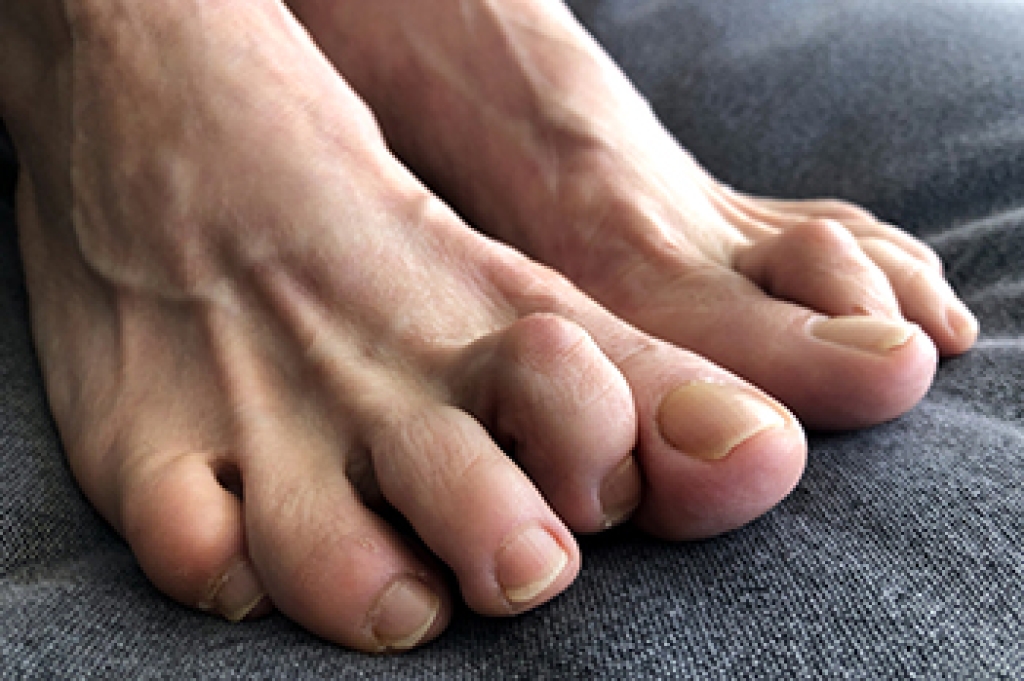
Toes can change shape that affect the foot and make walking uncomfortable. One toe deformity is termed a hammertoe. It happens when a smaller toe bends at the middle joint, creating a curled appearance. A bunion  forms when the top of the big toe shifts toward the smaller ones, and the main joint bone at the bottom pushes outward. A claw toe involves more than one joint, causing the toe to bend downward and sometimes press into the shoe. These problems often develop from repeated pressure, muscle imbalance, or abnormal foot movement. Symptoms include pain, stiffness, or trouble fitting into shoes. A podiatrist can use X-rays and other imaging to assess severity. Care includes custom orthotics, protective devices, or surgery to correct alignment and reduce pain. If you have toes that look abnormal, it is suggested that you schedule an appointment with a podiatrist for a diagnosis and appropriate treatment.

Toe pain can disrupt your daily activities. If you have any concerns, contact Melissa C. Verde, DPM of Florida. Our doctor can provide the care you need to keep you pain-free and on your feet.

What Causes Toe Pain?

Most severe toe pain is caused due to a sports injury, trauma from dropping something heavy on the toe, or bumping into something rigid. Other problems can develop over time for various reasons.

Toe pain can be caused by one or more ailments. The most common include:

  • Trauma
  • Sports injury
  • Wearing shoes that are too tight
  • Arthritis
  • Gout
  • Corns and calluses
  • Hammertoe
  • Bunions
  • Blisters
  • Ingrown toenails
  • Sprains
  • Fractures (broken bones)
  • Dislocations

When to See a Podiatrist

  • Severe pain
  • Persistent pain that lasts more than a week
  • Signs of infection
  • Continued swelling
  • Pain that prevents walking

Diagnosis

In many cases the cause of toe pain is obvious, but in others, a podiatrist may want to use more advanced methods to determine the problem. These can range from simple visual inspections and sensation tests to X-rays and MRI scans. Prior medical history, family medical history, and any recent physical traumatic events will all be taken into consideration for a proper diagnosis.

Treatment

Treatments for toe pain and injuries vary and may include shoe inserts, padding, taping, medicines, injections, and in some cases, surgery. If you believe that you have broken a toe, please see a podiatrist as soon as possible.

If you have any questions please contact our office located in Longwood, FL . We offer the newest diagnostic and treatment technologies for all your foot and ankle needs.

Read more about Toe Pain

Treatments for Diabetic Foot Ulcers

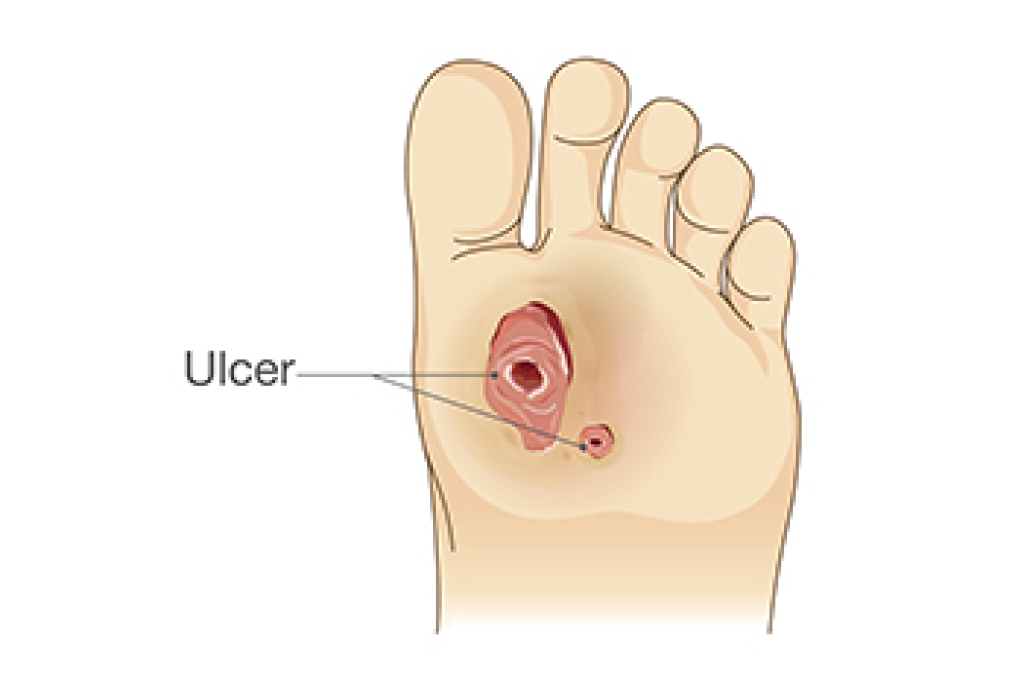
Diabetic foot ulcers are open wounds that develop due to poor circulation and nerve damage. These ulcers commonly form on pressure areas of the foot and may heal slowly, increasing the risk of infection. Treatment typically involves a combination of approaches to support healing and reduce complications. Standard care includes cleaning the wound, removing damaged tissue, and reducing pressure with specialized footwear or devices. Additional therapies may include advanced dressings, infection control, and methods to improve circulation. A podiatrist can evaluate the ulcer, assess overall foot health, and determine the most appropriate plan of care. If you have a diabetic foot ulcer, it is suggested that you are under the care of a podiatrist who can offer effective relief solutions and management advice.

Diabetic foot care is important in preventing foot ailments such as ulcers. If you are suffering from diabetes or have any other concerns about your feet, contact Melissa C. Verde, DPM from Florida. Our doctor can provide the care you need to keep you pain-free and on your feet.

Diabetic Foot Care

Diabetes affects millions of people every year. The condition can damage blood vessels in many parts of the body, especially the feet. Because of this, taking care of your feet is essential if you have diabetes, and having a podiatrist help monitor your foot health is highly recommended.

The Importance of Caring for Your Feet

  • Routinely inspect your feet for bruises or sores.
  • Wear socks that fit your feet comfortably.
  • Wear comfortable shoes that provide adequate support.

Patients with diabetes should have their doctor monitor their blood levels, as blood sugar levels play such a huge role in diabetic care. Monitoring these levels on a regular basis is highly advised.

It is always best to inform your healthcare professional of any concerns you may have regarding your feet, especially for diabetic patients. Early treatment and routine foot examinations are keys to maintaining proper health, especially because severe complications can arise if proper treatment is not applied.

If you have any questions, please feel free to contact our office located in Longwood, FL . We offer the newest diagnostic and treatment technologies for all your foot care needs.
Read more about Diabetic Foot Conditions

Connect With Us

scroll to top