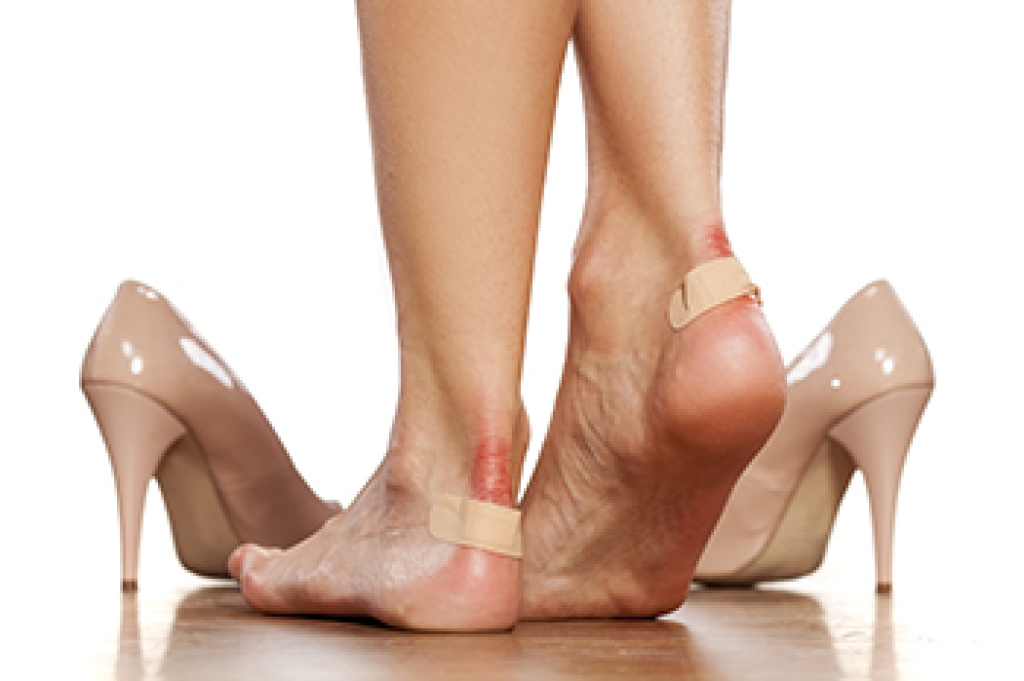
Blisters are raised pockets of skin filled with clear fluid, blood, or pus. On the feet, friction blisters can develop when repeated rubbing or pressure irritates the skin. Wearing shoes that fit too tightly can create this friction, especially around the toes or heels. A blood blister forms in a similar way, but damaged blood vessels cause blood to collect inside the raised skin. Foot blisters can make standing and walking uncomfortable, especially when the irritated area continues rubbing against a shoe. This discomfort can also change the way a person walks.
The skin covering a blister serves as a natural barrier against germs. Breaking that layer can increase the chance of infection and can slow healing. A blister that opens can become more vulnerable to bacteria. Warning signs of infection include pus, swelling, and skin that feels warm. Increased pain or a foul smell can also signal a problem. Fever blisters are different from friction blisters because they are caused by a virus and can spread to other people. They should not be popped because opening them can spread the virus.
A podiatrist can evaluate how foot mechanics contribute to repeated friction and pressure. The examination can assess foot movement, ankle function, and walking patterns. A podiatrist can also look at whether joint restrictions or changes in movement are placing extra pressure on certain parts of the foot. Podiatric care can focus on improving movement and reducing mechanical stress that contributes to recurring irritation. Treatment can include gentle joint mobilization and guided exercises based on the examination findings. A podiatrist can also discuss shoe fit when repeated rubbing appears connected to symptoms. If you have recurring foot blisters, it is suggested that you schedule an appointment with a podiatrist for effective relief and prevention tips.
Blisters may appear as a single bubble or in a cluster. They can cause a lot of pain and may be filled with pus, blood, or watery serum. If your feet are hurting, contact Melissa C. Verde, DPM of Florida. Our doctor can provide the care you need to keep you pain-free and on your feet.
Foot Blisters
Foot blisters are often the result of friction. This happens due to the constant rubbing from shoes, which can lead to pain.
What Are Foot Blisters?
A foot blister is a small fluid-filled pocket that forms on the upper-most layer of the skin. Blisters are filled with clear fluid and can lead to blood drainage or pus if the area becomes infected.
Symptoms
(Blister symptoms may vary depending on what is causing them)
- Bubble of skin filled with fluid
- Redness
- Moderate to severe pain
- Itching
Prevention & Treatment
In order to prevent blisters, you should be sure to wear comfortable shoes with socks that cushion your feet and absorb sweat. Breaking a blister open may increase your chances of developing an infection. However, if your blister breaks, you should wash the area with soap and water immediately and then apply a bandage to the affected area. If your blisters cause severe pain it is important that you call your podiatrist right away.
If you have any questions, please feel free to contact our office located in Longwood, FL . We offer the newest diagnostic and treatment technologies for all your foot care needs.

 Dr. Melissa
 Dr. Raluca