
You don't need an excuse to have beautiful nails. Step outside without worrying about the appearance of your feet.
You don't need an excuse to have beautiful nails. Step outside without worrying about the appearance of your feet.

Foot mobility refers to the ability of the feet to move freely and efficiently through a full range of motion. The feet serve as the foundation of the body, supporting weight distribution, absorbing shock, and assisting with movement. Proper mobility allows the muscles and joints in the feet to function in coordination during daily activities. When mobility is limited, it can affect posture, balance, and overall alignment. Understanding the role of foot function is essential for maintaining stability and reducing strain throughout the body.
During walking, the feet move through a structured gait cycle that includes the stance phase and the swing phase. The stance phase occurs when the foot is in contact with the ground and is responsible for weight bearing and shock absorption. The swing phase follows as the foot lifts and moves forward to prepare for the next step. Efficient muscle activation during these phases ensures smooth movement and proper force distribution. When foot mobility is reduced, this cycle becomes less efficient, increasing stress on the ankles, knees, and hips.
Common symptoms of poor foot mobility include stiffness, discomfort, and reduced flexibility. Individuals may notice instability when walking or standing, along with a decrease in balance. Risk factors include improper footwear, lack of strengthening exercises, and repetitive stress from daily activities. Strengthening the feet can improve muscle activation and restore natural movement patterns.
Simple foot exercises can help improve foot mobility and strength. Toe curls are performed by gripping the floor with the toes and holding briefly before releasing. Toe raises involve lifting the toes upward while keeping the heel and ball of the foot grounded. Toe spreading focuses on widening the toes apart to improve control and flexibility. Performing these exercises regularly can support proper function and reduce strain. If you have foot pain, it is suggested that you consult a podiatrist for an accurate diagnosis, appropriate treatment, and guidance on additional foot stretches and exercises.
Exercising your feet regularly with the proper foot wear is a great way to prevent injuries and build strength. If you have any concerns about your feet, contact Melissa C. Verde, DPM from Florida. Our doctor can provide the care you need to keep you pain-free and on your feet.
Exercise for Your Feet
Exercise for your feet can help you gain strength, mobility and flexibility in your feet. They say that strengthening your feet can be just as rewarding as strengthening another part of the body. Your feet are very important, and we often forget about them in our daily tasks. But it is because of our feet that are we able to get going and do what we need to. For those of us fortunate enough to not have any foot problems, it is an important gesture to take care of them to ensure good health in the long run.
Some foot health exercises can include ankle pumps, tip-toeing, toe rises, lifting off the floor doing reps and sets, and flexing the toes. It is best to speak with Our doctor to determine an appropriate regimen for your needs. Everyone’s needs and bodies are different, and the activities required to maintain strength in the feet vary from individual to individual.
Once you get into a routine of doing regular exercise, you may notice a difference in your feet and how strong they may become.
If you have any questions, please feel free to contact our office located in Longwood, FL . We offer the newest diagnostic and treatment technologies for all your foot care needs.
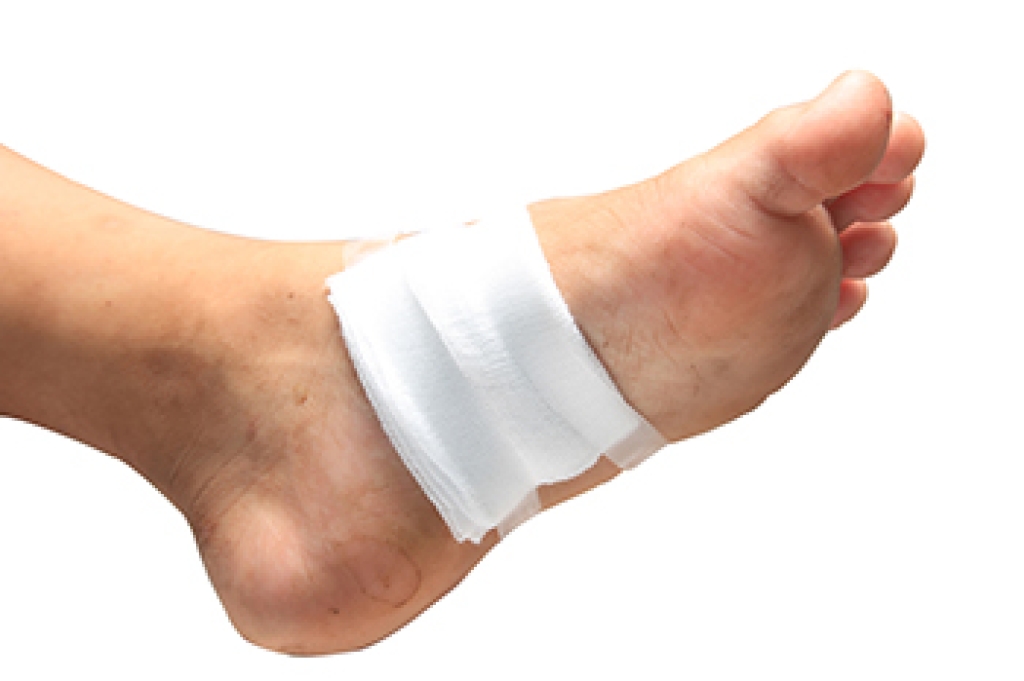
Puncture wounds to the feet are often caused by sharp objects, such as nails, glass, or thorns. Animal bites.might also cause puncture wounds. They should never be considered minor injuries. Even the smallest puncture wounds can trap bacteria deep beneath the skin. If care is delayed, this increases the risk of infection, abscess formation, joint involvement, or bone infection. Symptoms may initially appear mild, but pain, swelling, redness, or drainage can develop days or even weeks later. A podiatrist evaluates the depth, location, and cause of the injury, checks for retained foreign material, and assesses surrounding nerves, tendons, joints, and bone. Diagnostic imaging and laboratory testing may be used to detect hidden damage or early infection. Prompt medical management can significantly reduce the risk of serious complications for people with diabetes, who may lack sensation in the feet. For help with foot pain caused by a puncture, it is suggested that you make an appointment with a podiatrist for an exam, diagnosis, and treatment.
Wound care is an important part in dealing with diabetes. If you have diabetes and a foot wound or would like more information about wound care for diabetics, consult with Melissa C. Verde, DPM from Florida. Our doctor will assess your condition and provide you with quality foot and ankle treatment.
What Is Wound Care?
Wound care is the practice of taking proper care of a wound. This can range from the smallest to the largest of wounds. While everyone can benefit from proper wound care, it is much more important for diabetics. Diabetics often suffer from poor blood circulation which causes wounds to heal much slower than they would in a non-diabetic.
What Is the Importance of Wound Care?
While it may not seem apparent with small ulcers on the foot, for diabetics, any size ulcer can become infected. Diabetics often also suffer from neuropathy, or nerve loss. This means they might not even feel when they have an ulcer on their foot. If the wound becomes severely infected, amputation may be necessary. Therefore, it is of the upmost importance to properly care for any and all foot wounds.
How to Care for Wounds
The best way to care for foot wounds is to prevent them. For diabetics, this means daily inspections of the feet for any signs of abnormalities or ulcers. It is also recommended to see a podiatrist several times a year for a foot inspection. If you do have an ulcer, run the wound under water to clear dirt from the wound; then apply antibiotic ointment to the wound and cover with a bandage. Bandages should be changed daily and keeping pressure off the wound is smart. It is advised to see a podiatrist, who can keep an eye on it.
If you have any questions please contact our office located in Longwood, FL . We offer the newest diagnostic and treatment technologies for all your foot and ankle needs.

Flip-flops may feel light and easy to wear, but they often provide very little support for the feet. Many styles are flat, thin, and flexible. This can place extra strain on the arches, heels, and toes. Because the foot has to work harder to keep the sandal in place, walking patterns may change over time. This can lead to foot pain or discomfort in other areas of the body. Wearing flip-flops often may increase the risk of plantar fasciitis, heel pain, or tendon strain. They also leave much of the foot exposed, making cuts or scrapes more likely during daily activities.
A podiatrist can evaluate foot pain related to flip-flop use and identify which structures are being affected. During an examination, the podiatrist may check foot alignment, joint movement, and areas of increased pressure. They can also determine whether a condition, such as plantar fasciitis or tendon irritation, is causing symptoms. Treatment depends on the diagnosis and may include custom orthotics, supportive footwear recommendations, or other medical care to reduce pain and improve foot function. A podiatrist can also explain how footwear choices may be contributing to stress on the feet and ankles.
Professional podiatry care can help address pain before it becomes a long-term problem. Early evaluation may reduce the risk of ongoing inflammation, balance issues, or changes in the way you walk. Footwear-related pain should not be ignored, especially when it affects daily movement or comfort. A podiatrist creates a treatment plan based on your symptoms, foot structure, and activity level. Professional treatment of foot pain can support healthier movement and help protect your long-term foot health. If flip-flops are causing foot pain, it is suggested that you consult a podiatrist for an evaluation.
Flip-flops are not always the best choice of footwear. If you have any concerns about your feet or ankles, contact Melissa C. Verde, DPM from Florida. Our doctor will assist you with all of your foot and ankle needs.
Flip-Flops and Feet
When the weather starts warming up, people enjoy wearing flip-flops. Flip-flops are comfortable, stylish, and easy to slip on and off; they're perfect for any summer beach goer. However, these shoes can cause harm to the feet.
How Can Flip-Flops Affect Me Long-Term?
Are There Injuries Associated with Flip-Flops?
Yes. Since flip-flops are relatively weak and do not provide the same amount of support as sneakers, people who wear flip-flops regularly are more susceptible to injuries. On top of that, the open nature of the shoe makes your feet more prone to other problems, such as cuts and even infections. Common injuries and ailments include:
I like Wearing Flip-Flops. Are There Safe Alternatives?
When buying flip-flops, try to find ones that have sturdy soles and that are made of high-quality materials that will support for your feet. These flip-flops will cost more but will also last longer as a result.
If you have any questions, please feel free to contact our office located in Longwood, FL . We offer the newest diagnostic and treatment technologies for all your foot care needs.

Lateral ankle sprains are among the most common foot and ankle injuries and often involve more than just the ankle joint. The midfoot and forefoot play a key role in stability, force distribution, and balance during movement. A lateral ankle sprain occurs when the ligaments on the outer side of the ankle are stretched or torn, usually due to an inward rolling motion of the foot. When this motion occurs, the midfoot and forefoot can also shift, placing additional strain on surrounding structures and increasing the risk of long-term instability.
Symptoms of a lateral ankle sprain include pain on the outer ankle, swelling, bruising, and difficulty bearing weight. When the midfoot and forefoot are involved, patients may also report pain along the arch or the ball of the foot. There may be tenderness when pressing on the midfoot joints and a feeling of weakness or instability when walking. Chronic ankle instability can develop if the ligaments do not heal properly, leading to repeated sprains and a persistent sense of the ankle giving way during activity.
Risk factors for these injuries include poor foot alignment, weak stabilizing muscles, and improper footwear. Individuals with flat feet or high arches may experience uneven pressure distribution, which affects how the midfoot and forefoot absorb impact. Sudden changes in direction, uneven surfaces, and lack of balance training can increase the likelihood of injury. Previous ankle sprains are a major risk factor for chronic instability, especially when rehabilitation is incomplete or delayed.
Understanding the connection between the ankle, midfoot, and forefoot is essential for proper recovery and prevention. Strengthening exercises that target the intrinsic foot muscles and improve proprioception can enhance stability and reduce reinjury risk. Supportive footwear and custom orthotics may help maintain proper alignment during activity. If you have ankle pain related to instability or sprains, it is suggested that you consult a podiatrist for effective relief and treatment solutions.
Although ankle sprains are common, they aren’t always minor injuries. If you need your ankle injury looked at, contact Melissa C. Verde, DPM from Florida. Our doctor can provide the care you need to keep you pain-free and on your feet.
How Does an Ankle Sprain Occur?
Ankle sprains are the result of a tear in the ligaments within the ankle. These injuries may happen when you make a rapid shifting movement while your foot is planted. A less common way to sprain your ankle is when your ankle rolls inward while your foot turns outward.
What Are the Symptoms?
Preventing a Sprain
Treatment of a Sprain
In many cases, the RICE method (Rest, Ice, Compression, and Elevate) is used to treat ankle sprains. However, you should see a podiatrist to see which treatment option would work best with your injury. In severe cases, surgery may be required.
It is important to ask your doctor about rehab options after you receive treatment for your injury. Stretching, strength training, and balance exercises may help the ankle heal while also preventing further injury.
If you have any questions, please feel free to contact our office located in Longwood, FL . We offer the newest diagnostic and treatment technologies for all your foot care needs.
Connect With Us

 Dr. Melissa
 Dr. Raluca