
Causes and Risks Factors for Falls in Older Adults

Falls in older adults are a major health concern that can lead to serious foot and ankle injuries, reduced mobility, and loss of independence. A fall is defined as an unintentional descent to the ground or a lower level, often caused by a loss of balance or stability. As the body ages, changes in muscle strength, joint flexibility, and coordination can increase the likelihood of falling. These changes make it important to understand both the causes and the prevention of falls to support long term health.

Symptoms associated with falls may include immediate pain, swelling, bruising, or difficulty walking. Many older adults experience foot and ankle injuries, such as sprains or fractures, after a fall. In some cases, individuals may feel unsteady even after the incident, which can lead to a fear of falling again. This fear may reduce physical activity, further weakening muscles and increasing the risk of future falls. Recognizing early warning signs such as balance issues or frequent stumbling can help prevent serious injury.


Several risk factors contribute to falls in older adults. Age-related muscle loss and decreased bone density play a significant role. Chronic conditions, such as arthritis, diabetes, or nerve disorders, can affect balance and sensation in the feet. Medications that cause dizziness, drowsiness, or changes in blood pressure can also increase fall risk. Environmental hazards such as poor lighting, loose rugs, and uneven surfaces add to the danger. Wearing footwear that does not fit properly or lacks support can further reduce stability and increase the chance of falling.


Preventing falls requires a comprehensive approach that includes strengthening exercises, proper footwear, and home safety improvements. Balance training and regular physical activity can help maintain coordination and muscle strength. Wearing well-fitted shoes with supportive soles can improve stability. Keeping living spaces free of clutter and ensuring proper lighting are simple but effective steps. Regular foot evaluations can also identify issues that may affect balance. If you have had a foot or ankle injury from falling or want guidance on prevention, it is suggested you consult a podiatrist for effective relief and prevention tips.

Preventing falls among the elderly is very important. If you are older and have fallen or fear that you are prone to falling, consult with Melissa C. Verde, DPM from Florida. Our doctor will assess your condition and provide you with quality advice and care.

Every 11 seconds, an elderly American is being treated in an emergency room for a fall related injury. Falls are the leading cause of head and hip injuries for those 65 and older. Due to decreases in strength, balance, senses, and lack of awareness, elderly persons are very susceptible to falling. Thankfully, there are a number of things older persons can do to prevent falls.

How to Prevent Falls

Some effective methods that older persons can do to prevent falls include:

  • Enrolling in strength and balance exercise program to increase balance and strength
  • Periodically having your sight and hearing checked
  • Discuss any medications you have with a doctor to see if it increases the risk of falling
  • Clearing the house of falling hazards and installing devices like grab bars and railings
  • Utilizing a walker or cane
  • Wearing shoes that provide good support and cushioning
  • Talking to family members about falling and increasing awareness

Falling can be a traumatic and embarrassing experience for elderly persons; this can make them less willing to leave the house, and less willing to talk to someone about their fears of falling. Doing such things, however, will increase the likelihood of tripping or losing one’s balance. Knowing the causes of falling and how to prevent them is the best way to mitigate the risk of serious injury.  

If you have any questions, please feel free to contact our office located in Longwood, FL . We offer the newest diagnostic and treatment technologies for all your foot care needs.


Read more about Falls Prevention

Do Your Child's Feet Hurt?

Have your child's feet been examined lately? Healthy feet are happy feet. If your child is complaining of foot pain, it may be a sign of underlying problems.

How Bunion Surgery May Improve Movement

A bunion can change the way a person walks by shifting pressure across the foot and altering balance. In middle-aged and older adults, this misalignment may lead to discomfort, reduced stability, slower walking, and a greater risk of falls. When conservative care no longer provides relief, surgical bunion correction may help restore better foot positioning and improve function. By realigning the big toe and reducing joint strain, surgery can help create a more natural walking pattern and better weight distribution during movement. Recovery takes time, and improvements in strength, coordination, and mobility often continue as healing progresses. Individual outcomes depend on overall health, severity of deformity, and adherence to recovery recommendations. Improved comfort and foot mechanics can make daily activity easier for many patients. If a bunion is affecting your walking, balance, or quality of life, it is suggested that you visit a podiatrist to discuss appropriate treatment options.

Foot surgery is sometimes necessary to treat a foot ailment. To learn more, contact Melissa C. Verde, DPM of Florida. Our doctor will assist you with all of your foot and ankle needs.

When Is Surgery Necessary?

Foot and ankle surgery is generally reserved for cases in which less invasive, conservative procedures have failed to alleviate the problem. Some of the cases in which surgery may be necessary include:

  • Removing foot deformities like bunions and bone spurs
  • Severe arthritis that has caused bone issues
  • Cosmetic reconstruction

What Types of Surgery Are There?

The type of surgery you receive will depend on the nature of the problem you have. Some of the possible surgeries include:

  • Bunionectomy for painful bunions
  • Surgical fusion for realignment of bones
  • Neuropathy decompression surgery to treat nerve damage

Benefits of Surgery

Although surgery is usually a last resort, it can provide more complete pain relief compared to non-surgical methods and may allow you to finally resume full activity.

Surgical techniques have also become increasingly sophisticated. Techniques like endoscopic surgery allow for smaller incisions and faster recovery times.

If you have any questions, please feel free to contact our office located in Longwood, FL . We offer the newest diagnostic and treatment technologies for all your foot care needs.
Read more about Foot Surgery

When Rheumatoid Arthritis Affects the Feet

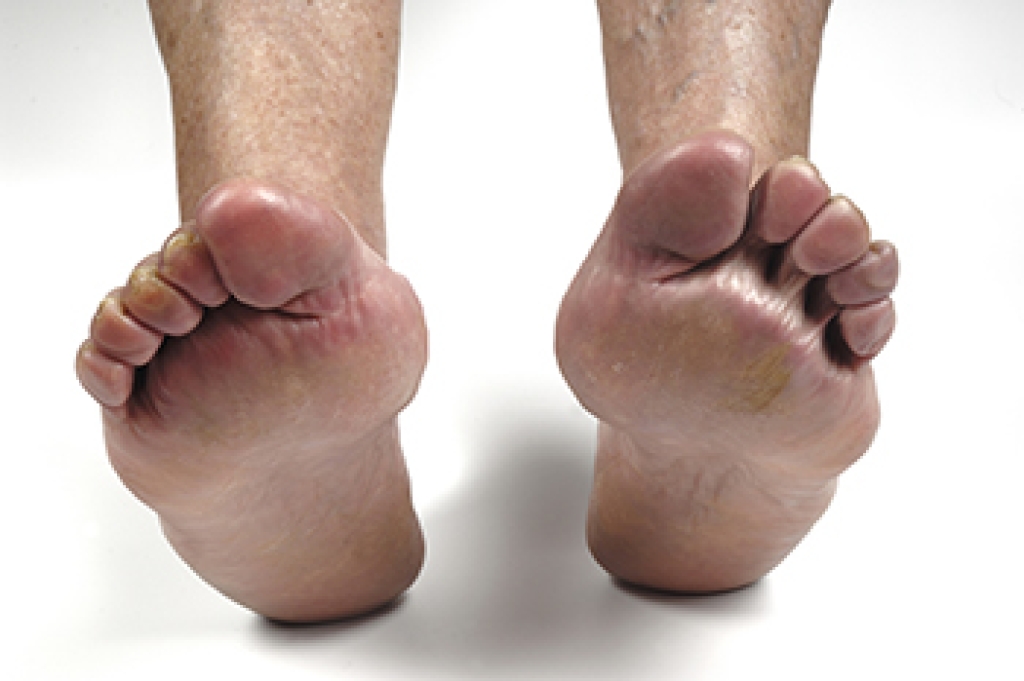
Rheumatoid arthritis is an inflammatory condition that can affect the small joints of the feet, often causing pain, swelling, warmth, and morning stiffness that lasts longer than expected. Many people first notice discomfort in the front of the feet or toes, making walking uncomfortable, especially after rest. As the condition progresses, joint damage may lead to shifting toe position, reduced stability, and pressure points that make wearing shoes difficult. Because this condition affects the immune system, symptoms may involve both feet in a similar pattern rather than appearing from a single injury. A podiatrist can evaluate joint changes, walking mechanics, and areas of abnormal pressure while helping to manage discomfort and protect foot function. Early recognition matters because untreated inflammation can lead to lasting structural changes. If you are experiencing persistent foot swelling, stiffness, or unexplained joint pain, it is strongly suggested that you visit a podiatrist for an evaluation.

Because RA affects more than just your joints, including the joints in your feet and ankles, it is important to seek early diagnosis from your podiatrist if you feel like the pain in your feet might be caused by RA. For more information, contact Melissa C. Verde, DPM of Florida. Our doctor will assist you with all of your podiatric concerns.

What Is Rheumatoid Arthritis?

Rheumatoid Arthritis (RA) is an autoimmune disorder in which the body’s own immune system attacks the membranes surrounding the joints. Inflammation of the lining and eventually the destruction of the joint’s cartilage and bone occur, causing severe pain and immobility.

Rheumatoid Arthritis of the Feet

Although RA usually attacks multiple bones and joints throughout the entire body, almost 90 percent of cases result in pain in the foot or ankle area.

Symptoms

  • Swelling and pain in the feet
  • Stiffness in the feet
  • Pain on the ball or sole of feet
  • Joint shift and deformation

Diagnosis

Quick diagnosis of RA in the feet is important so that the podiatrist can treat the area effectively. Your doctor will ask you about your medical history, occupation, and lifestyle to determine the origin of the condition. Rheumatoid Factor tests help to determine if someone is affected by the disease.

If you have any questions, please feel free to contact our office located in Longwood, FL . We offer the newest diagnostic and treatment technologies for all your foot care needs.
Read more about Rheumatoid Arthritis in the Feet

Causes of Swollen Feet in Older Adults

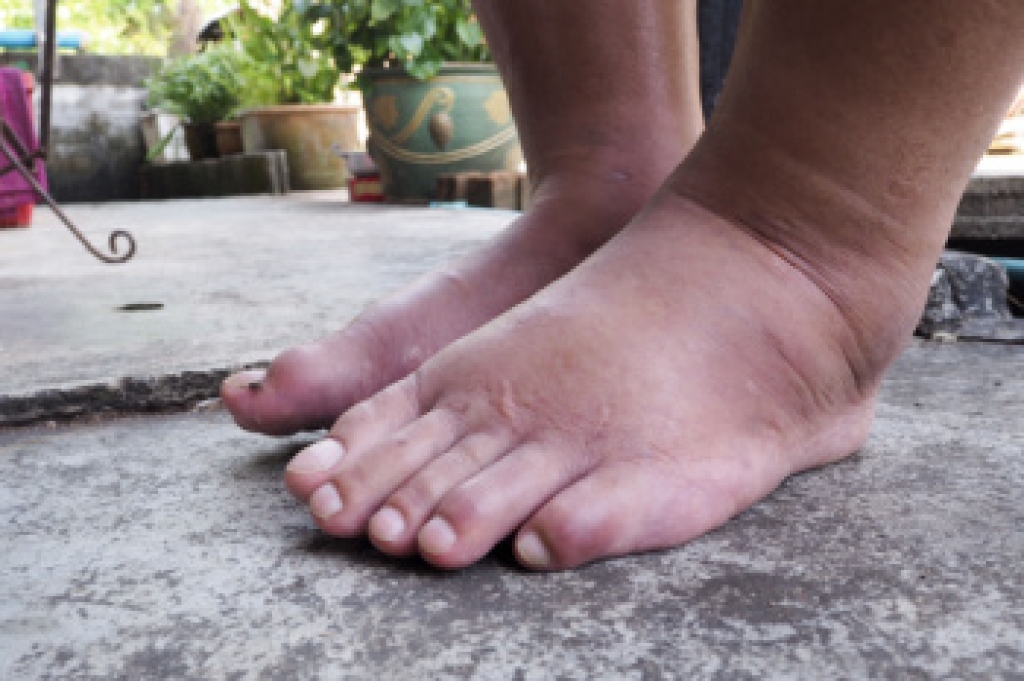
Swollen feet are common in older adults and can be linked to several underlying conditions. Heart failure may cause fluid buildup in the lower extremities, while kidney or liver disease can affect how the body manages fluids. Venous insufficiency occurs when veins have difficulty returning blood to the heart, leading to pooling in the feet and ankles. Additionally, certain medications may also contribute to swelling as a side effect. Risk factors include reduced mobility, chronic health conditions, and poor circulation. Symptoms often include puffiness, tight skin, and discomfort when walking. A podiatrist can evaluate swelling, identify contributing factors, and recommend treatments to improve circulation and comfort. If you are elderly and have any of the above risk factors, it is suggested that you consult a podiatrist who can offer effective relief and management solutions.

Swollen feet can be a sign of an underlying condition. If you have any concerns, contact Melissa C. Verde, DPM of Florida. Our doctor can provide the care you need to keep you pain-free and on your feet.

Swollen feet are a common ailment among pregnant women and people who stand or sit for extended periods. Aging may increase the possibility of swollen feet and patients who are obese often notice when their feet are swelling too. There may be medical reasons why swollen feet occur:

  • Phlebitis - A condition that causes the veins to become inflamed and can also cause leg pain.
  • Liver disease - This may lead to low blood levels of albumin which is a protein. This can cause fluid in the blood to pass into the tissues and several areas of the body can become swollen.
  • Heart failure - When the heart doesn’t pump properly the blood that is normally pumped back to the heart can pool in the veins of the legs causing swollen feet.
  • Kidney disease - One of the main functions of the kidneys is releasing excess fluid in the body. This type of condition can make it difficult for the kidneys to function properly, and as a result the feet may become swollen.
  • Deep-vein thrombosis (DVT)- This is a serious condition where blood clots form in the veins of the legs. They can block the return of blood from the legs to the heart which may cause the feet to swell. It is important to be treated by a podiatrist if this condition is present.

Swollen feet can also be caused by bone and tendon conditions, including fractures, arthritis, and tendinitis. Additionally, there may be skin and toenail conditions and an infection may cause the feet to swell. Patients who take medicine to treat high blood pressure may be prone to getting swollen feet. 

Many patients elevate their feet to help relieve the swelling and this is generally a temporary remedy. When a podiatrist is consulted the reason behind the swelling can be uncovered and subsequently treated.

If you have any questions please contact our office located in Longwood, FL . We offer the newest diagnostic and treatment technologies for all your foot and ankle needs.

Read more about Swelling of the Feet

Connect With Us

scroll to top