Preventing Achilles Tendon Injuries During Pickleball

Pickleball is fun and fast, but sudden movements can place extra stress on the Achilles tendon that connects the calf muscles to the heel bone. An Achilles tendon injury may involve irritation, a strain, or a tear. Symptoms can include heel pain, stiffness, and difficulty pushing off while walking. The injury often happens when a player suddenly accelerates, stops, or changes direction. Repeated court activity can also create stress.

Several factors can raise the risk of an Achilles tendon injury during pickleball. Returning to the sport after a long break can challenge tissues that are not prepared for quick movements. Tight calf muscles, limited flexibility, and inadequate conditioning may also contribute. Age can increase risk because tendon flexibility and resilience may gradually decrease. Previous Achilles problems are a risk factor. Intense play without enough recovery can strain the tendon.


Prevention starts before you step onto the court. Stay limber with gentle calf and ankle stretches as part of your routine. Warm up before playing so your muscles and tendons are ready for activity. Wear court shoes that provide support and traction. You can also improve balance off the court by standing on one leg for short periods with good posture. Additionally, increase playing time gradually and allow recovery between sessions.


If Achilles pain develops, a podiatrist can examine the tendon, check your walking pattern, and determine the injury severity. Imaging may be recommended when a tear is suspected. Treatment may include activity modification, wearing supportive footwear, or other measures that reduce tendon stress. More serious injuries may require immobilization and referral for surgical evaluation. Follow your podiatrist's instructions and return to pickleball gradually. If you have an Achilles tendon injury from playing pickleball, it is suggested that you promptly consult a podiatrist who can offer effective relief and treatment solutions. 

Ankle and foot injuries are common among athletes and in many sports. They can be caused by several problems and may be potentially serious. If you are feeling pain or think you were injured in a sporting event or when exercising, consult with one of our podiatrists from Verde Complete Foot and Ankle Specialists. Our doctors will assess your condition and provide you with quality foot and ankle treatment.

Common Injuries

The most common injuries that occur in sporting activities include:

  • Achilles Tendonitis
  • Achilles Tendon Rupture
  • Ankle Sprains
  • Broken Foot
  • Plantar Fasciitis
  • Stress Fractures
  • Turf Toe

Symptoms

Symptoms vary depending upon the injury and in some cases, there may be no symptoms at all. However, in most cases, some form of symptom is experienced. Pain, aching, burning, bruising, tenderness, tightness or stiffness, sensation loss, difficulty moving, and swelling are the most common symptoms.

Treatment

Just as symptoms vary depending upon the injury, so do treatment options. A common treatment method is known as the RICE method. This method involves rest, applying ice, compression and elevating the afflicted foot or ankle. If the injury appears to be more serious, surgery might be required, such as arthroscopic or reconstructive surgery. Lastly, rehabilitation or therapy might be needed to gain full functionality in the afflicted area. Any discomfort experienced by an athlete must be evaluated by a licensed, reputable medical professional.  

If you have any questions please contact our office located in Longwood, FL . We offer the newest diagnostic and treatment technologies for all your foot and ankle needs.

Read more about Sports Related Foot and Ankle Injuries

Bunions Explained and Why Surgery May Help

A bunion is a foot deformity that develops when the big toe shifts toward the other toes as the joint at its base moves outward. This creates a noticeable bump along the inner side of the foot. Bunions may cause soreness, redness, or pain while walking. Shoes can rub against the bump, causing irritation or calluses. A bunion is not simply a cosmetic concern when it affects comfort, movement, or daily activities.

Several factors can increase the risk of developing bunions. Family history may play a role, because inherited foot structure can affect pressure distribution. Wearing narrow or poorly fitting shoes can add pressure to the toes. Arthritis and previous injuries may also contribute. A podiatrist can examine the foot and use X-rays when needed to understand severity. Treatment may include wearing wider shoes, protective padding, or activity changes. These steps can reduce pressure and improve comfort.

Bunion surgery may be considered when pain continues despite non-surgical treatment. It may also be discussed when a bunion interferes with walking, wearing shoes, or normal activities. The decision depends on symptoms and foot structure rather than appearance alone. During evaluation, a podiatrist reviews your symptoms and examines the joint. X-rays can help determine alignment and guide treatment planning. If surgery is appropriate, the procedure is selected based on the type and severity of the bunion.

Healing after bunion surgery requires patience and following your podiatrist’s instructions. Treatment may include protecting the foot, limiting weight-bearing, and gradually returning to activities. Follow-up visits allow the podiatrist to monitor healing. Early evaluation can help you understand your options. If you have a bunion that causes pain or interferes with daily life, it is suggested that you consult a podiatrist who can determine if this type of foot surgery is right for you. 

Foot surgery is sometimes necessary to treat a foot ailment. To learn more, contact one of our podiatrists of Verde Complete Foot and Ankle Specialists. Our doctors will assist you with all of your foot and ankle needs.

When Is Surgery Necessary?

Foot and ankle surgery is generally reserved for cases in which less invasive, conservative procedures have failed to alleviate the problem. Some of the cases in which surgery may be necessary include:

  • Removing foot deformities like bunions and bone spurs
  • Severe arthritis that has caused bone issues
  • Cosmetic reconstruction

What Types of Surgery Are There?

The type of surgery you receive will depend on the nature of the problem you have. Some of the possible surgeries include:

  • Bunionectomy for painful bunions
  • Surgical fusion for realignment of bones
  • Neuropathy decompression surgery to treat nerve damage

Benefits of Surgery

Although surgery is usually a last resort, it can provide more complete pain relief compared to non-surgical methods and may allow you to finally resume full activity.

Surgical techniques have also become increasingly sophisticated. Techniques like endoscopic surgery allow for smaller incisions and faster recovery times.

If you have any questions, please feel free to contact our office located in Longwood, FL . We offer the newest diagnostic and treatment technologies for all your foot care needs.

Read more about Foot Surgery

Foot Ulcers and Their Warning Signs

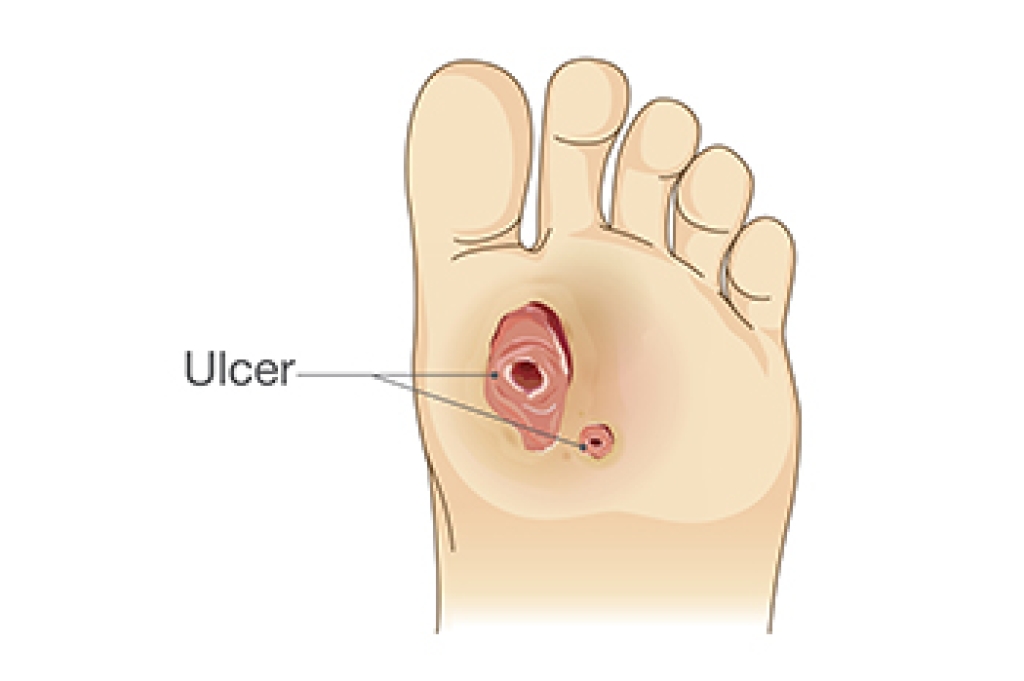
A foot ulcer is an open sore that develops on the skin of the foot and can extend deeper. These wounds can be difficult to heal when circulation or sensation is reduced. Common symptoms include redness, swelling, or an area that looks cracked or broken. An ulcer may begin as a blister or callus before becoming serious. Diabetic patients should pay close attention because nerve damage can make an injury difficult to feel.

Several risk factors can increase the chance of developing a foot ulcer. Diabetes, peripheral neuropathy, and previous ulcers are common concerns. Wearing ill-fitting shoes can create repeated pressure and friction. A hot spot is an area of the foot that feels unusually warm, irritated, or tender before the skin breaks down. Causes may include pressure from footwear, a callus, or prolonged walking. Identifying a hot spot early can help prevent a wound from developing.


Preventing foot ulcers starts with daily foot checks and properly fitted shoes. Keep feet clean and dry, moisturize dry skin without applying lotion between the toes, and avoid walking barefoot. Check for cuts, blisters, and hot spots. If you notice a wound, do not ignore it or attempt to remove surrounding tissue yourself. Prompt care can reduce complications.


A podiatrist will examine the ulcer, assess circulation and sensation, and determine how deep the wound is. Treatment may include cleaning the ulcer, removing unhealthy tissue, and reducing pressure with appropriate footwear or offloading devices. The podiatrist may also recommend imaging or coordinate care for infection, diabetes, or circulation problems when needed. Healing requires follow-up and careful home care. If you have a foot ulcer or a concerning hot spot, it is suggested that you are under the care of a podiatrist for effective relief and treatment solutions.

Wound care is an important part in dealing with diabetes. If you have diabetes and a foot wound or would like more information about wound care for diabetics, consult with one of our podiatrists from Verde Complete Foot and Ankle Specialists. Our doctors will assess your condition and provide you with quality foot and ankle treatment.

What Is Wound Care?

Wound care is the practice of taking proper care of a wound. This can range from the smallest to the largest of wounds. While everyone can benefit from proper wound care, it is much more important for diabetics. Diabetics often suffer from poor blood circulation which causes wounds to heal much slower than they would in a non-diabetic. 

What Is the Importance of Wound Care?

While it may not seem apparent with small ulcers on the foot, for diabetics, any size ulcer can become infected. Diabetics often also suffer from neuropathy, or nerve loss. This means they might not even feel when they have an ulcer on their foot. If the wound becomes severely infected, amputation may be necessary. Therefore, it is of the upmost importance to properly care for any and all foot wounds.

How to Care for Wounds

The best way to care for foot wounds is to prevent them. For diabetics, this means daily inspections of the feet for any signs of abnormalities or ulcers. It is also recommended to see a podiatrist several times a year for a foot inspection. If you do have an ulcer, run the wound under water to clear dirt from the wound; then apply antibiotic ointment to the wound and cover with a bandage. Bandages should be changed daily and keeping pressure off the wound is smart. It is advised to see a podiatrist, who can keep an eye on it.

If you have any questions please contact our office located in Longwood, FL . We offer the newest diagnostic and treatment technologies for all your foot and ankle needs.

Read more about Wound Care

Stop Your Toenail Fungus

Have you noticed discoloration of your toenails? Have they become thickened or brittle? If so, you may be experiencing symptoms of a fungal nail infection. For some, having a fungal nail can be embarrassing. Overcome your embarrassment, and get treated.

How to Deal With Recurring Blisters

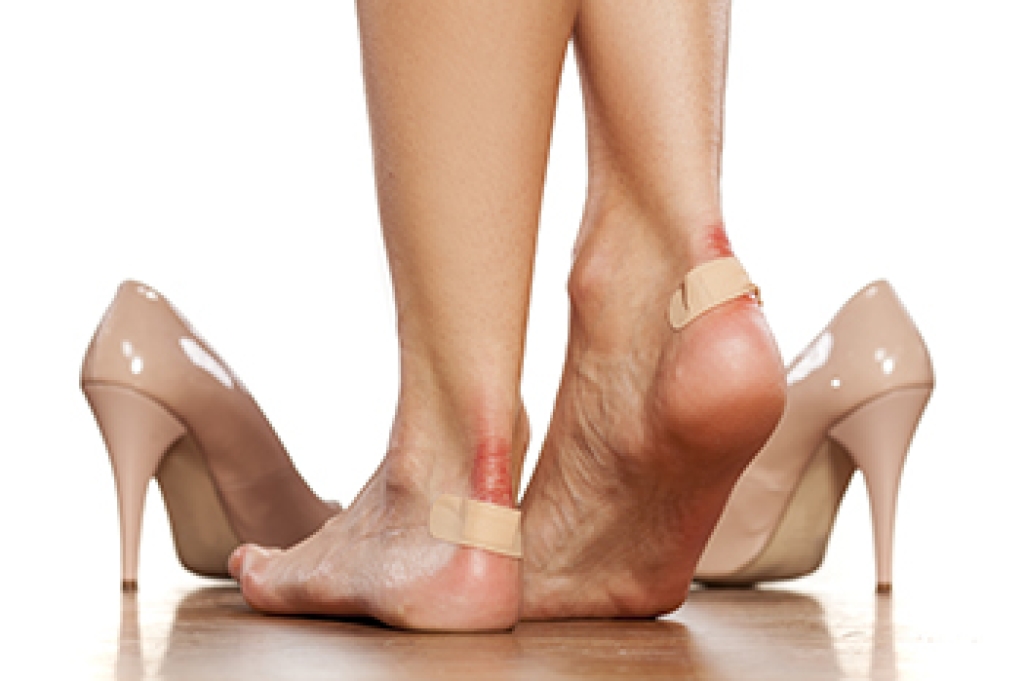
Blisters are raised pockets of skin filled with clear fluid, blood, or pus. On the feet, friction blisters can develop when repeated rubbing or pressure irritates the skin. Wearing shoes that fit too tightly can create this friction, especially around the toes or heels. A blood blister forms in a similar way, but damaged blood vessels cause blood to collect inside the raised skin. Foot blisters can make standing and walking uncomfortable, especially when the irritated area continues rubbing against a shoe. This discomfort can also change the way a person walks.

The skin covering a blister serves as a natural barrier against germs. Breaking that layer can increase the chance of infection and can slow healing. A blister that opens can become more vulnerable to bacteria. Warning signs of infection include pus, swelling, and skin that feels warm. Increased pain or a foul smell can also signal a problem. Fever blisters are different from friction blisters because they are caused by a virus and can spread to other people. They should not be popped because opening them can spread the virus.

A podiatrist can evaluate how foot mechanics contribute to repeated friction and pressure. The examination can assess foot movement, ankle function, and walking patterns. A podiatrist can also look at whether joint restrictions or changes in movement are placing extra pressure on certain parts of the foot. Podiatric care can focus on improving movement and reducing mechanical stress that contributes to recurring irritation. Treatment can include gentle joint mobilization and guided exercises based on the examination findings. A podiatrist can also discuss shoe fit when repeated rubbing appears connected to symptoms. If you have recurring foot blisters, it is suggested that you schedule an appointment with a podiatrist for effective relief and prevention tips.

Blisters may appear as a single bubble or in a cluster. They can cause a lot of pain and may be filled with pus, blood, or watery serum. If your feet are hurting, contact one of our podiatrists of Verde Complete Foot and Ankle Specialists. Our doctors can provide the care you need to keep you pain-free and on your feet.

Foot Blisters

Foot blisters are often the result of friction. This happens due to the constant rubbing from shoes, which can lead to pain.

What Are Foot Blisters?

A foot blister is a small fluid-filled pocket that forms on the upper-most layer of the skin. Blisters are filled with clear fluid and can lead to blood drainage or pus if the area becomes infected.

Symptoms

(Blister symptoms may vary depending on what is causing them)

  • Bubble of skin filled with fluid
  • Redness
  • Moderate to severe pain
  • Itching

Prevention & Treatment

In order to prevent blisters, you should be sure to wear comfortable shoes with socks that cushion your feet and absorb sweat. Breaking a blister open may increase your chances of developing an infection. However, if your blister breaks, you should wash the area with soap and water immediately and then apply a bandage to the affected area. If your blisters cause severe pain it is important that you call your podiatrist right away.

If you have any questions, please feel free to contact our office located in Longwood, FL . We offer the newest diagnostic and treatment technologies for all your foot care needs.

Read more about Blisters

Connect With Us

scroll to top
Book Online